
Fraudsters Are Posing as Trusted Authorities
We have seen a growing number of scams targeting individuals by pretending to come from institutions people are naturally inclined to trust: the IRS, the FTC, Social Security, Medicare, the DMV, law enforcement, and even professional licensing agencies. These scams are not random. They are calculated, aggressive, and designed to create fear before you have time to think.
The message is the same: something is wrong, the matter is urgent, and you must act immediately. It may be a claim of unpaid taxes, a suspended license, fraud on an account, a missed filing, or a government benefit that is supposedly in jeopardy. In some cases, the scammer may even pretend to be helping you “protect” your money.
What makes these schemes especially dangerous is how convincing they can look and sound. Fraudsters may spoof legitimate phone numbers, use official-sounding titles, provide fake badge or case numbers, or direct victims to websites that look alarmingly real. Their goal is simple: to pressure you into sending money or handing over sensitive information before you stop to verify the story.
Here is a real example that a member of our team received recently:

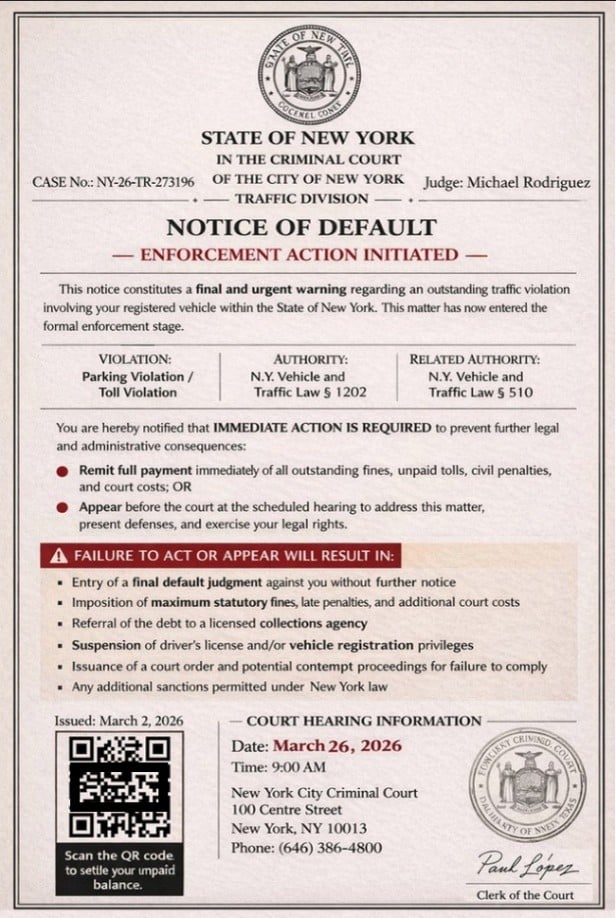
Here are some of the most important red flags to watch for:
- A demand for immediate actionScammers want panic, not patience. If you are told to act right away or face consequences, it is likely a scam.
- Threats of arrest, fines, suspension, or loss of benefitsFear is one of the most effective tools scammers use. Threats involving legal trouble, frozen accounts, or revoked licenses are strong warning signs.
- Requests for unusual payment methodsGift cards, wire transfers, cryptocurrency, cash, or gold are major warning signs. Legitimate government agencies and regulators do not demand payment this way.
- Pressure to keep the matter privateIf someone tells you not to speak with your family, advisor, accountant, or attorney, that is a serious red flag.
- Requests for personal or financial information by phone, text, or emailBe especially careful with anyone asking for your Social Security number, banking details, passwords, or account login credentials.
- A message that looks official but feels rushed or aggressiveScammers often rely on official names, logos, and language to appear credible, but their tone is often pushy, threatening, or unnatural.
Professionals should be particularly alert to scams involving state boards, licensing agencies, and regulators. These messages may claim that your credentials are under review, that a filing deadline was missed, or that disciplinary action is pending unless you respond immediately. The more specific the accusation sounds, the more persuasive it can feel and that is exactly the point.
The best protection is to slow the situation down. Do not click the link. Do not reply to the message. Do not send money. Do not provide any information. Instead, end the call or ignore the message and contact the agency directly using the official phone number or website you locate yourself.
The rule is simple: if someone claiming to be from an authoritative institution is pressuring you to act immediately, threatening consequences, or demanding an unusual form of payment, assume it is a scam until proven otherwise.
In today’s environment, caution is not overreacting. It is necessary, because funds lost to scams are often unrecoverable. A brief pause to verify may be the difference between staying protected and becoming the next victim.